Lead contamination in older architectural structures poses a severe public health hazard that demands exceptional expertise and specialized remediation methodologies. Professional painting contractors serve an essential role in mitigating these environmental threats by applying highly controlled safety measures during residential remodeling projects.
Preserving the structural charm of historical residences requires a delicate balance between visual restoration and strict environmental management. Uncontrolled scraping or sanding can instantly disperse microscopic toxins into the living spaces, creating prolonged exposure vectors for families. By utilizing advanced preservation strategies, painting contractors ensure that historical integrity is maintained without compromising safety or regulatory compliance, giving homeowners total peace of mind during complex renovations.
Evaluate Lead Risks in Vintage Properties
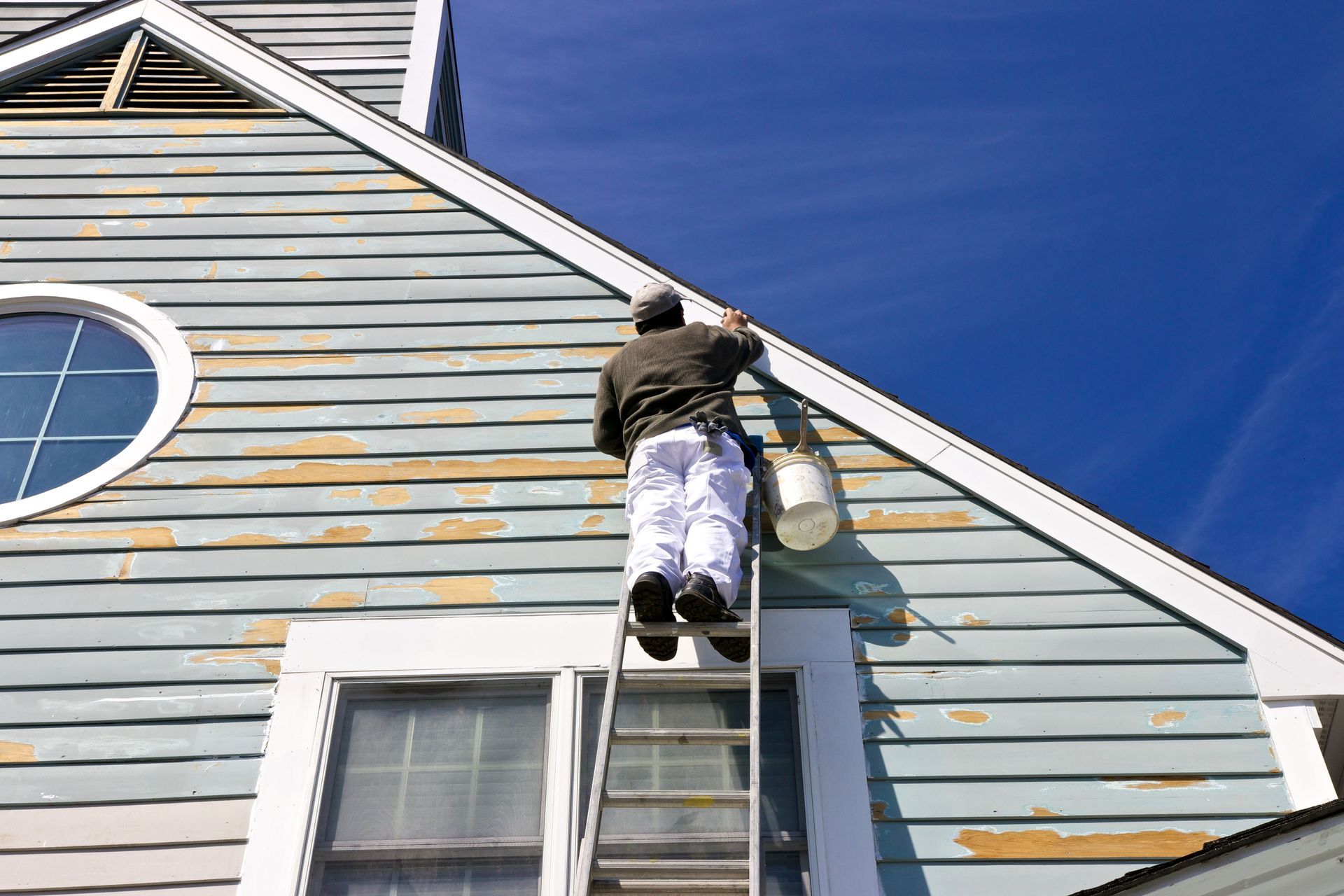
Evaluating the historical presence of heavy metal pigments requires deep knowledge of architectural materials used throughout previous eras. Experienced painting contractors look closely at the construction timeline of a property to anticipate potential structural hazards before any surface preparation begins. Because toxic pigments were widely favored for their extreme weather resistance and long-term durability, vintage woodwork, exterior siding, and interior trims frequently hide dangerous older layers beneath modern coats, necessitating a cautious approach from the very beginning.
Understanding the exact breakdown of these historical coatings requires a precise look at historical distribution patterns across different eras of residential construction. According to data from the EPA, approximately 87% of residential structures built before 1940 carry lead-based paint, though that metric drops significantly to 24% for residential properties constructed between 1960 and 1978. This stark variance highlights why professional diagnostic inspections are mandatory when planning a remediation strategy for vintage real estate, as assuming a property is clean can lead to catastrophic health consequences.
Identifying these hidden hazards before starting renovations requires specialized testing tools like chemical swabs and advanced laboratory sample analysis. Technicians also employ specialized non-destructive X-ray fluorescence devices to instantly read subsurface chemical compositions without damaging delicate historic moldings or plaster walls. Uncovering these dormant risks allows field supervisors to craft tailored safety blueprints that match the precise hazard level discovered within the home, protecting everyone involved.
Understand Health Hazards and Environmental Exposure
Understanding the physiological dangers associated with heavy metal exposure underscores the absolute necessity of hiring qualified abatement experts. When legacy coatings degrade or experience mechanical friction, invisible particles settle into common household dust and soil systems where they persist indefinitely. Exposure to these microscopic particulates can trigger severe neurological issues, developmental delays, and learning difficulties in young children, while adults face elevated cardiovascular and kidney risks over extended periods.
Educating the public regarding these asymptomatic health threats motivates property owners to prioritize safety over speed when selecting painting contractors for older buildings. Because the symptoms of heavy metal poisoning develop gradually and often mimic minor illnesses, the underlying cause frequently goes completely unnoticed until significant physiological harm occurs. Professional remediation teams treat every historical project with a strict safety approach to prevent toxic dust from ever becoming airborne or loose within residential neighborhoods.
Spreading awareness across local communities ensures that families take proactive measures before launching seemingly minor home improvement tasks. Educational campaigns managed by local health departments empower residents to request certified verification from any service provider entering their residential spaces. This shift in public awareness creates a safer market where proper protective standards are expected rather than viewed as optional luxuries, driving the entire industry toward safer operating conditions.
Develop Comprehensive Compliance and Safety Workplans
Developing formal operational protocols ensures that modern painting contractors operate in full alignment with national environmental protection mandates. Regulatory frameworks govern every phase of a historical renovation, dictating exact procedures for site preparation, worker safety, and hazardous waste containment. Certified firms participate in rigorous qualification training programs to master these safety steps, protecting their corporate credentials alongside the health of their entire active workforce.
Creating a thorough workflow checklist allows site managers to anticipate logistical hurdles and organize appropriate tools well before arriving on site. The resulting project blueprint maps out precise daily tasks, specifies required protective gear, and establishes clear safe zones across the property. This structural foresight prevents accidental cross-contamination and guarantees that safety boundaries remain perfectly intact throughout the entire physical restoration process, minimizing project disruptions.
Communicating every detail of this operational blueprint to the household residents fosters deep trust and smooth operational coordination. Property owners receive detailed instructions regarding restricted work areas, daily schedules, and temporary relocation guidelines if the scope of work requires total site evacuation. This transparent dialogue ensures that everyone involved remains fully aware of safety boundaries and individual project responsibilities from inception to final handover.
Contain Contaminants Within Protected Interior Zones
Containing hazardous dust within designated renovation zones requires the immediate deployment of heavy-duty poly plastic barriers. Workers carefully seal off all doors, windows, and ventilation vents with thick protective sheeting and specialized tape to block escaping air currents. Maintaining a completely isolated workspace prevents microscopic particles from migrating into clean living areas, keeping the surrounding household entirely free from toxic dust accumulation during heavy construction.
Equipping field workers with specialized personal protective gear is another foundational requirement that reputable painting contractors strictly enforce. Technicians wear particulate respirators, disposable full-body suits, and heavy-duty gloves whenever they step inside the active containment zone. These personal safety barriers ensure that workers never carry toxic residue home on their clothing or suffer respiratory exposure during intensive scraping tasks, protecting families outside the job site.
Deploying specialized machinery like high-efficiency particulate air filtration units further purifies the interior atmosphere during active scraping operations. These advanced air scrubbing machines pull contaminated air through filtration systems to capture microscopic particles before recycling clean air back into the room. Utilizing continuous negative pressure guarantees that any airborne debris remains firmly trapped inside the isolated work zone, preventing any leakage into adjacent corridors.
Enforce Cleanliness and Systematic Verification Procedures
Enforcing strict cleanliness standards throughout the daily routine prevents toxic debris from accumulating within the job site. Crews use specialized wet scraping and misting methods to keep paint flakes heavy, preventing dust from floating into the air. Every surface undergoes systematic vacuuming with high-efficiency equipment designed to trap fine metal particles that standard household vacuums would simply blow back out, keeping the environment pristine.
Wiping down every flat surface with specialized heavy-metal detergents represents the final step in the physical decontamination workflow. Workers scrub walls, window sills, and floors with damp microfiber cloths to lift away stubborn microscopic residues from the grain of the wood. This tedious cleaning regimen continues until the entire workspace looks completely spotless and complies fully with rigorous regional sanitation metrics, leaving no room for error.
Verifying the success of these cleaning efforts requires systematic dust wipe testing administered by certified supervisors before the containment barriers are dismantled. These precise scientific samples undergo careful analysis to confirm that the home is perfectly safe for family re-entry. By maintaining these rigorous standards, painting contractors ensure that historic homes remain beautiful, historically authentic, and completely safe for generations to come, preserving precious architectural legacies.
Protecting historic properties from toxic paint legacy hazards requires a meticulous combination of historical knowledge, strict containment, and highly disciplined cleanup strategies. Homeowners must look past simple aesthetics and prioritize certified environmental safety to preserve both the value of their property and the health of their loved ones. When you are ready to restore your vintage property using the highest safety standards, contact MasterCraft Painting and Finishes so we can bring your vision to life safely and beautifully.