By Steve
November 10, 2026
Transforming the look of a home or business begins with a vision of vibrant color, crisp lines, and an immaculate finish that enhances curb appeal. While many property owners focus primarily on selecting the perfect shade and sheen, the real secret to an enduring paint job occurs long before any color touches the wall. The longevity and visual appeal of any project depend entirely on the care taken during the initial staging phase. Without a solid foundation, even the highest grade paint will fail to adhere properly, leading to peeling, bubbling, and premature deterioration. Understanding the meticulous steps involved in foundational care reveals why skilled professionals commit so much time and effort to preparing every square inch of a wall before opening a can of finish paint.
A dedicated painting contractor recognizes that surface preparation is the cornerstone of exceptional craft. While amateurs often feel tempted to skip straight to rolling on coats of pigment, seasoned tradespeople know that cutting corners during the preliminary phase compromises the entire project. Paint is naturally thin and tends to highlight surface defects rather than conceal them, meaning every crack, speck of dirt, and loose flake will show through the final sheen. By dedicating adequate time to washing, patching, abrading, and sealing the substrate, a professional ensures that the new finish looks stunning and withstands daily wear and environmental stressors for years to come.
Cleaning Surfaces to Remove Contaminants
Every structure accumulates a steady layer of airborne particles, grease, dust, mildew, and grime that settles over exterior siding and interior drywall alike. Applying fresh paint directly over dirty surfaces creates an unstable barrier that prevents the coating from bonding directly to the underlying material. When paint cannot stick to the actual wall, it adheres only to the loose dust or greasy film, which inevitably leads to flaking, blistering, and early film detachment. Professional teams wash away these contaminants thoroughly, using specialized cleaners, gentle detergent solutions, or controlled pressure washing techniques to restore a pristine foundation.
A thorough wash also exposes subtle imperfections that might otherwise hide beneath layers of grime, giving the crew a clear view of the substrate condition. Removing mildew spores is particularly crucial because painting directly over active organic growth allows fungus to feed on moisture, eventually pushing its way back through the fresh coating. When an experienced painting contractor cleans a surface properly, the substrate becomes completely receptive to subsequent coats, setting the stage for a smooth, uniform application that highlights the beauty of the selected architectural colors.
Repairing Flaws to Smooth the Substrate
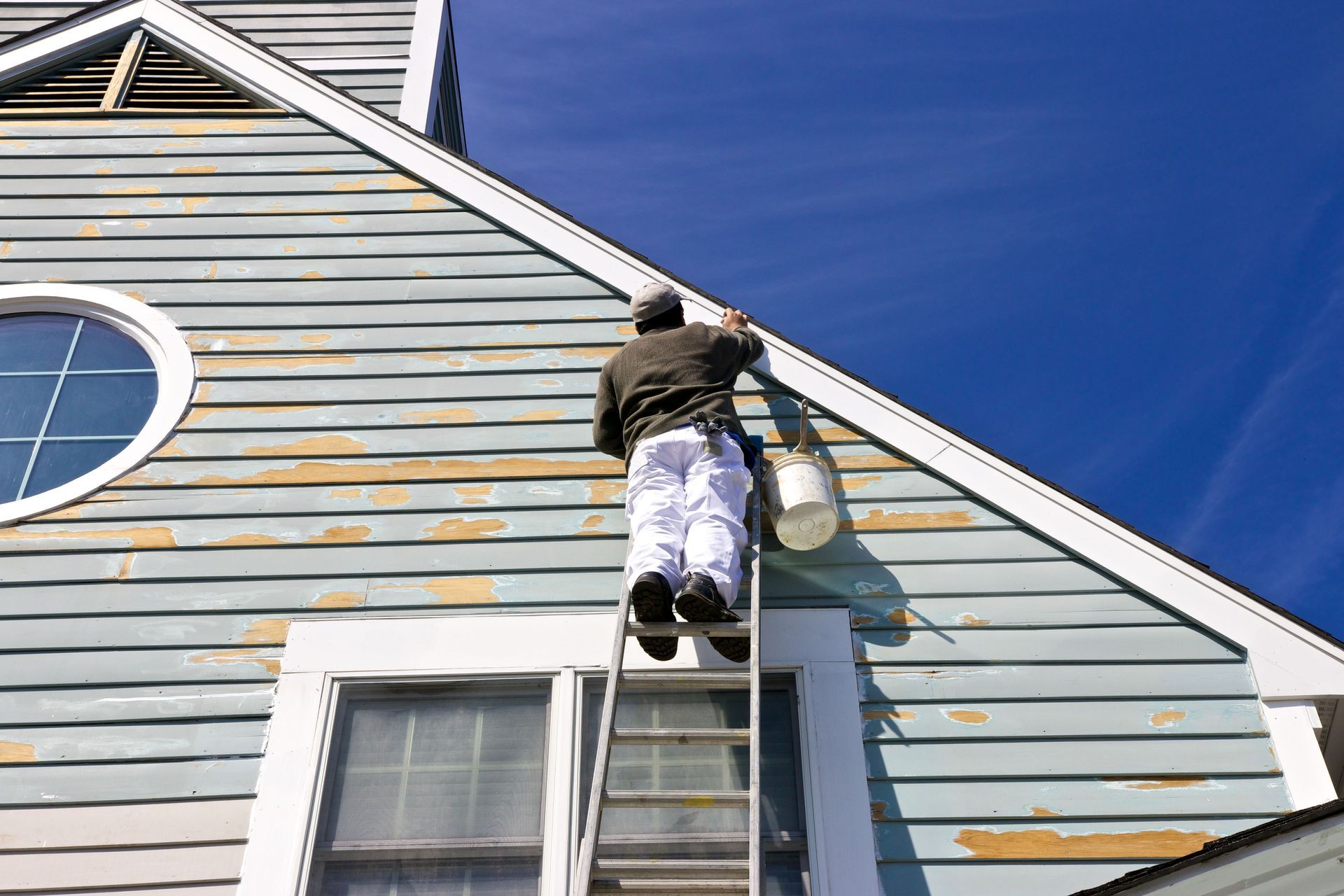
Every wall experiences daily wear and tear that leaves behind nail holes, hairline fissures, structural cracks, gouges, and loose plaster. Leaving these structural defects untouched undermines the visual continuity of the space and leaves openings where moisture can penetrate and cause underlying wood rot or drywall softening. Meticulous patching requires filling holes with appropriate spackling compounds, joint compounds, or exterior wood fillers suited specifically to the material being repaired. Once the compound dries, careful feathering blends the patch seamlessly into the surrounding area, ensuring no ridges or depressions disrupt the final sheen.
Addressing substrate integrity prevents premature coating failures that frustrate building owners and diminish the quality of the finish. According to Sherwin-Williams, up to 80% of paint finish breakdowns happen because of poor surface preparation that prevents proper bonding. Taking the time to scrape away dead fibers, secure loose boards, and patch damaged areas guarantees that the new protective barrier remains unbroken. A meticulous painting contractor treats structural repair as an essential craft, ensuring every minor defect receives proper attention before applying finishing layers.
Sanding Substrates to Promote Mechanical Grip
Glossy surfaces, previous coats of enamel, and smooth wood components offer very little tooth for fresh paint to grasp. Applying new coatings over slick finishes without scuffing the surface often results in poor adhesion, causing the fresh layer to peel away in sheets when bumped or exposed to humidity changes. Controlled sanding creates microscopic grooves across the substrate, providing the mechanical profile necessary for the new paint film to anchor itself deeply into the material. This physical bonding ensures the coating stays firmly attached through seasonal temperature fluctuations and repeated cleaning cycles.
In addition to improving mechanical adhesion, detailed sanding smooths out rough edges left behind by previous flaking paint, old brush marks, and newly applied patching compounds. Feathering these transitions creates a level surface where the boundary between bare wood, repaired spackle, and sound existing paint becomes virtually undetectable. When an attentive painting contractor sands between preparatory steps, the wall gains an extraordinarily smooth texture that allows light to reflect evenly across the finished surface without creating awkward shadows or visible imperfections.
Caulking Gaps to Block Moisture Intrusion
Architectural seams around door frames, window casings, baseboards, and exterior trim naturally expand and contract as weather patterns change. When unsealed gaps develop along these joints, rainwater, morning dew, and interior humidity seep behind the trim work, rotting wooden framing and creating mold colonies. Applying high-performance acrylic or elastomeric caulk seals these vulnerable voids, keeping moisture on the outside where it cannot damage the internal framing of the property. Proper caulking also keeps drafty air from penetrating through gaps, improving the comfort of interior living areas.
Beyond protecting building materials from water damage, caulking provides the clean visual transitions that define exceptional craftsmanship. Dark gaps between crown molding and walls or between baseboards and flooring draw the eye and make a newly painted room look incomplete. A conscientious painting contractor carefully fills each joint, smoothing the bead with practiced precision so that the trim integrates smoothly with adjacent drywall. This step creates crisp, uninterrupted architectural lines that elevate the overall refinement and elegance of every painted space.
Applying Primers to Form a Resilient Base
Priming serves as the critical bridge connecting the raw substrate with the decorative finish paint. Bare drywall, newly patched plaster, porous masonry, and exposed wood absorb liquids at vastly different speeds, which can cause finish coats to look blotchy and uneven if applied without an intermediary sealer. A high-quality primer seals these porous areas, creates a uniform absorption level across the entire wall, and blocks tannins, smoke, water stains, and sap from bleeding through to discolor the topcoat.
Specialized bonding primers also allow paint to adhere to notoriously difficult substrates such as glossy tiles, slick metals, and previously varnished millwork. By creating an optimal chemical and mechanical anchor, primers ensure that the topcoat locks onto the substrate with maximum tenacity. When a seasoned painting contractor applies the correct specialty primer, the resulting foundation enhances the true color depth of the finish paint and guarantees that the decorative coating will resist peeling, cracking, and flaking for many seasons ahead.
Achieving a breathtaking finish that stands up against daily life requires far more than dipping a roller into a tray and spreading pigment over old walls. Every stage of thorough preparation—from thorough washing and structural patching to precise sanding, caulking, and priming—plays a crucial role in building an enduring protective shield around your property. When property owners recognize that long-lasting beauty stems from careful substrate conditioning, they appreciate why hiring an experienced painting contractor delivers unmatched peace of mind and lasting quality.
If you are ready for impeccable craftsmanship and stunning results that endure, contact us at MasterCraft Painting and Finishes today. We will help you revitalize your living space with beautiful colors backed by the uncompromising preparation your home deserves.